Foam Rolling Vs Stretching: Best Recovery Techniques
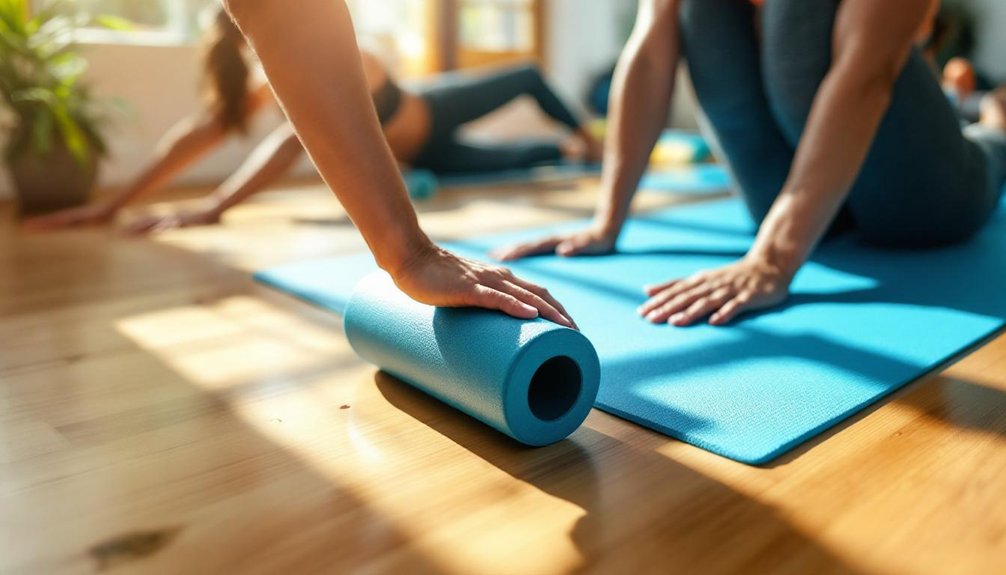
When it comes to recovery, both foam rolling and stretching are essential techniques you should incorporate. Foam rolling helps release muscle tension and improves blood flow, while stretching enhances flexibility and prevents injuries. Use foam rolling post-workout for muscle relief, and stretch beforehand to warm up. Mixing these methods boosts your overall performance and flexibility. For more insights on how to maximize your recovery routine, stick around to discover the best techniques.
Key Points
- Foam rolling effectively releases muscle knots and tension, enhancing recovery and blood flow post-workout.
- Stretching increases flexibility and range of motion, making it ideal for warming up before exercise.
- Combining both techniques maximizes recovery by releasing tension and lengthening muscles simultaneously.
- Foam rolling is beneficial on rest days to maintain fascia health, while stretching aids in restoring mobility.
- Consistent practice of both methods fosters overall well-being and reduces the risk of injuries.
Understanding Foam Rolling: Benefits for Recovery
When you incorporate foam rolling into your recovery routine, you can greatly enhance muscle recovery and flexibility.
This powerful technique helps release tension in tight muscles, promoting better blood flow and nutrient delivery. By rolling over specific areas, you break up adhesions and knots, which can lead to improved mobility and reduced soreness.
Foam rolling also aids in the prevention of injuries, allowing you to move freely and confidently. Embracing this practice empowers you to take control of your body and its recovery, enabling you to pursue your passions with renewed vigor and liberation.
Your muscles will thank you!
Understanding Stretching: Benefits for Flexibility and Healing
Stretching is a fundamental practice for enhancing flexibility and promoting healing in your body. By incorporating regular stretching into your routine, you free up tight muscles and joints, allowing for smoother movement.
This not only improves your range of motion but also helps prevent injuries, empowering you to move more freely in daily life. Furthermore, stretching increases blood flow, facilitating recovery and reducing muscle soreness.
It’s a simple yet powerful way to reconnect with your body, fostering a sense of liberation and well-being. Embrace stretching as an essential tool in your journey toward overall health and vitality.
Comparing Techniques: Foam Rolling vs. Stretching
When you're considering foam rolling and stretching, it’s important to understand how each technique works and what benefits they offer.
Foam rolling targets muscle tightness and fascia release, while stretching focuses on increasing flexibility.
Both have their limitations, so knowing when to use each can enhance your recovery and performance.
Mechanism of Action
While both foam rolling and stretching aim to enhance flexibility and reduce muscle tension, they operate through distinct mechanisms.
- Foam Rolling: It targets fascia and muscle knots, applying pressure to release tension and improve blood flow.
- Stretching: This technique lengthens muscle fibers, allowing them to relax and expand, promoting a greater range of motion.
- Nervous System Response: Foam rolling activates proprioceptors, while stretching engages muscle spindles, both working to signal relaxation.
Benefits and Limitations
In the domain of fitness recovery, foam rolling and stretching each offer unique benefits and limitations.
Foam rolling can release muscle tightness and improve blood flow, making it ideal for immediate relief after workouts. However, it may cause discomfort for some.
On the other hand, stretching enhances flexibility and can prevent injuries, but it often requires more time to see results.
While foam rolling feels more intense, stretching fosters a sense of calm.
To truly liberate your body, consider incorporating both techniques into your routine, allowing you to harness their strengths while minimizing their drawbacks.
Balance is key for peak recovery.
When Should You Use Foam Rolling vs. Stretching?
Knowing when to use foam rolling or stretching can greatly enhance your recovery and performance. Here’s a simple guide to help you decide:
- Post-Workout: Use foam rolling to release muscle tension and improve blood flow after your workout.
- Pre-Workout: Stretching is ideal for warming up your muscles, increasing flexibility, and preparing your body for movement.
- Injury Recovery: Foam rolling can help alleviate soreness, while gentle stretching aids in restoring range of motion.
What Types of Stretching Work Best for Recovery?
What types of stretching can boost your recovery?
Dynamic stretching is perfect pre-workout, as it warms up your muscles and enhances mobility.
Post-workout, focus on static stretching to release tension and improve flexibility. Hold each stretch for at least 15-30 seconds, letting your body surrender to the release.
Incorporating proprioceptive neuromuscular facilitation (PNF) can further deepen your recovery, combining stretching and contraction for greater gains.
Listen to your body—each stretch should feel liberating, not painful. By integrating these techniques, you’ll cultivate a deeper connection with your body, paving the way for a more liberated, empowered recovery journey.
Optimal Times to Use Foam Rolling for Recovery
Stretching plays a key role in recovery, but incorporating foam rolling can enhance your routine even further.
Use foam rolling during these ideal times to release your body’s potential:
- Post-Workout: Roll out tight muscles to alleviate soreness and improve blood flow.
- Pre-Workout: Loosen up and prepare your muscles for action, enhancing your performance.
- On Rest Days: Keep your fascia healthy and reduce tension, ensuring you stay agile and free.
Embrace foam rolling as your ally in recovery, allowing you to move freely and fully enjoy your active lifestyle.
Embrace foam rolling as your partner in recovery, unlocking freedom and joy in your active pursuits.
You deserve that liberation!
Common Foam Rolling and Stretching Mistakes to Avoid
While foam rolling and stretching can greatly boost your recovery, many people make common mistakes that hinder their effectiveness. First, don’t rush through your routine; take your time to let the muscles relax.
Second, avoid rolling over joints or bones, as this can cause injury. When stretching, skip bouncing; hold each position to truly benefit. Also, remember to breathe deeply; tension can limit your range of motion.
Finally, don’t ignore pain signals—listen to your body! By steering clear of these pitfalls, you’ll maximize your recovery and feel liberated to move freely and confidently.
How Often to Use These Techniques?
Avoiding common mistakes in foam rolling and stretching sets the stage for reaping their benefits, but knowing how often to use these techniques is just as important.
To maximize your recovery, consider these guidelines:
To enhance your recovery, follow these essential guidelines for foam rolling and stretching.
- Foam Roll: Aim for 3-4 times a week, especially after workouts or on rest days to ease muscle tension.
- Stretch: Incorporate static stretching daily, focusing on tight areas to enhance flexibility and prevent injury.
- Dynamic Stretching: Use before workouts, integrating it into your warm-up routine to prepare your body for movement.
Embrace these practices, and feel the liberation in your body as you recover and thrive!
Expert Tips for Maximizing Recovery With Foam Rolling and Stretching
To really boost your recovery, mastering foam rolling techniques is key.
You'll also want to explore effective stretching methods that complement your routine.
Combining both approaches can lead to ideal results for your body.
Foam Rolling Techniques Explained
Access your recovery potential with effective foam rolling techniques that can enhance your flexibility and relieve muscle tension. Incorporate these methods into your routine to feel liberated from tightness:
- Targeted Pressure: Focus on specific areas, like your quads or calves, applying steady pressure for 30 seconds to release knots.
- Slow Rolls: Move slowly, allowing the foam roller to glide over your muscles. This helps you identify tender spots.
- Breath Control: Breathe deeply as you roll; exhaling during intense pressure can help release tension.
Embrace these techniques, and free your body’s full recovery potential!
Stretching Methods For Recovery
Release your recovery potential by incorporating effective stretching methods alongside foam rolling.
Focus on dynamic stretches before your workouts to enhance blood flow and mobility. After your session, shift to static stretches, holding each position for 20-30 seconds to promote flexibility and relieve tension.
Target major muscle groups, like hamstrings and quads, to maximize results. Consider incorporating yoga or Pilates for a holistic approach that nurtures both body and mind.
Remember to breathe deeply, allowing your body to relax and release tightness. Embrace these techniques, and you'll feel liberated, rejuvenated, and ready to tackle your next challenge with renewed energy.
Combining Both Approaches Effectively
Combining foam rolling and stretching can elevate your recovery routine to new heights.
By integrating both techniques, you’ll enhance muscle flexibility, reduce soreness, and promote relaxation. Here’s how to do it effectively:
- Foam Roll First: Start with foam rolling to release tension and increase blood flow to your muscles.
- Stretch Afterwards: Follow up with dynamic or static stretches to lengthen those muscles and improve overall flexibility.
- Listen to Your Body: Pay attention to how your body feels and adjust your routine accordingly, ensuring a personalized recovery experience.
Embrace this holistic approach for a liberated, rejuvenated you!
FAQs
Can Foam Rolling and Stretching Be Done Together?
Absolutely, you can combine foam rolling and stretching in your routine. Start with foam rolling to release tension, then follow up with stretching to enhance flexibility. This duo maximizes your recovery and keeps you feeling liberated.
Are There Risks Associated With Foam Rolling?
Yes, there are risks with foam rolling; studies show up to 30% of users experience discomfort. You might bruise or aggravate existing injuries, so listen to your body and roll with caution for safe recovery.
How Long Should Each Session Last?
Each session should last about 10 to 20 minutes. Focus on listening to your body; if you feel tension or soreness, adjust your time accordingly. It’s all about finding what feels right for you.
Can Children Benefit From Foam Rolling or Stretching?
Studies show that 60% of young athletes experience muscle tightness. By incorporating foam rolling or stretching, you help their flexibility and recovery, empowering them to move freely and enjoy their activities without discomfort.
What Equipment Is Needed for Foam Rolling?
You’ll need a foam roller, ideally one with varying densities. Optional items include massage balls for targeting specific areas and resistance bands for added stretching. These tools help you enhance your recovery and feel more liberated.
In Summary
In the battle of foam rolling versus stretching, you might think one’s clearly better, but the truth is, they both have their quirks. While foam rolling seems to be the new favorite, stretching still holds its ground in flexibility. So, instead of choosing sides, embrace both techniques for a well-rounded recovery. After all, who doesn’t love a good paradox? The real secret is not in picking a winner, but in realizing you need them both to truly thrive.